
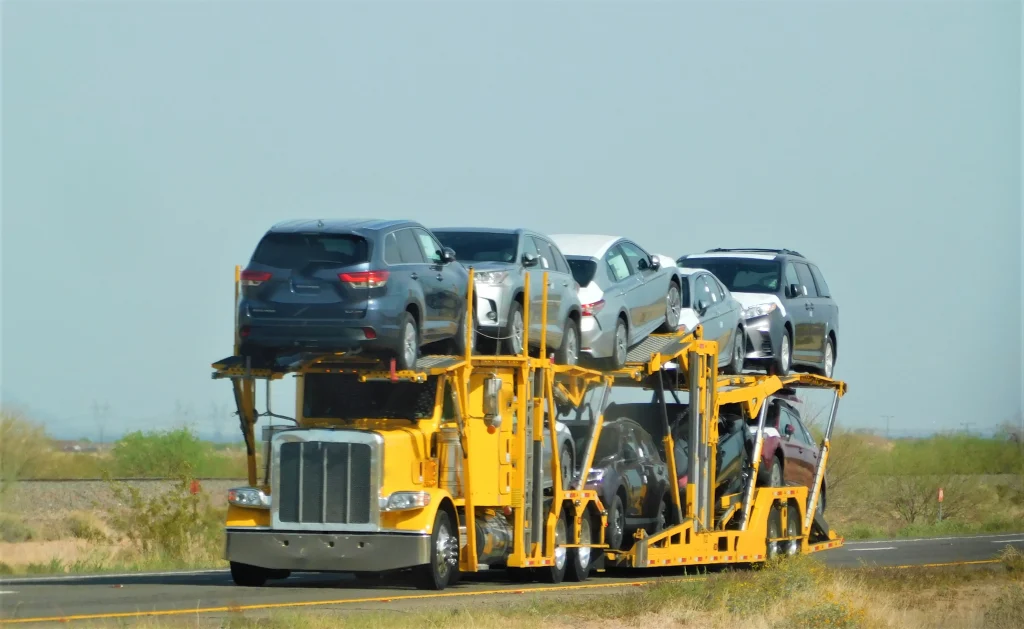
How to Prepare Your Car for State-to-State Auto Transport
Shipping your car to another state can save you from a long-distance drive and make relocation more convenient.
However, preparing your vehicle properly before pickup is an important part of the transportation process.
Whether you’re using open car transport, enclosed shipping, or door-to-door service, a few simple steps can help prevent delays and make pickup and delivery easier.
Here is a practical vehicle shipping preparation checklist from Ride-Trans Auto Transports.
1. Clean Your Vehicle Before Pickup
Washing your vehicle before transportation makes it easier to identify existing scratches, dents, and other cosmetic damage.
You do not need to perform a professional detailing service, but the exterior should be clean enough for an accurate condition inspection.
Cleaning the interior can also help you identify items that should be removed before shipping.
2. Take Photos of Your Vehicle
Before your vehicle is loaded onto a carrier, take clear photographs of its condition.
Capture the front, rear, both sides, roof when practical, wheels, and any existing damage.
Photographs can provide a useful record of the vehicle’s appearance before transportation.
Keep the images in a safe location so they are available when the vehicle arrives.
3. Remove Personal Belongings
Many auto transport arrangements restrict or prohibit personal belongings inside vehicles.
Remove valuable items, electronics, important documents, cash, and loose accessories before pickup.
Personal property may not be covered under the carrier’s cargo insurance, and additional weight can affect transportation requirements.
Always confirm the carrier’s rules regarding items left inside the vehicle.
4. Check Your Vehicle for Mechanical Problems
Your car should be in a condition that allows it to be safely loaded and unloaded, unless special arrangements have been made.
Check for fluid leaks, battery problems, tire issues, and other mechanical concerns.
If your vehicle cannot start or move under its own power, notify the transportation provider in advance.
Inoperable vehicles may require additional equipment and can affect the quoted shipping cost.
5. Maintain the Recommended Fuel Level
Most carriers prefer vehicles to have a relatively low fuel level, commonly around one-quarter of a tank.
This generally provides enough fuel for loading and unloading while avoiding unnecessary weight.
However, requirements can vary by carrier, so follow the specific instructions provided for your shipment.
6. Secure or Remove Loose Accessories
Before pickup, inspect your vehicle for accessories that could become loose during transportation.
Examples include removable roof racks, external antennas, custom spoilers, and detachable equipment.
Secure or remove these items according to the carrier’s instructions.
If your vehicle has aftermarket modifications, tell the transportation provider before scheduling.
7. Disable Alarms When Appropriate
Vehicle alarms can sometimes activate during loading or transportation.
Ask the carrier whether the alarm should be disabled before pickup.
If your vehicle uses a special security system, provide any necessary operating instructions.
You should also ensure the carrier has access to the keys or electronic controls required for loading and unloading.
8. Review Pickup and Delivery Arrangements
Confirm the pickup address, delivery address, contact information, and expected scheduling window.
For door-to-door transportation, make sure the requested locations are accessible to large transport vehicles.
If your neighborhood has narrow roads or commercial vehicle restrictions, a nearby alternative meeting location may be necessary.
9. Understand the Vehicle Inspection Report
Before loading, the driver typically inspects the vehicle and records its condition on a Bill of Lading or similar transportation document.
Review the information carefully and make sure existing damage is accurately noted.
Keep a copy of the documentation for your records.
The inspection report is important because it provides a condition record that can be compared with the vehicle’s appearance at delivery.
10. Inspect Your Vehicle at Delivery
When your car arrives, inspect it before completing the delivery process.
Compare its condition with your original photographs and pickup documentation.
If you notice new damage or another concern, document it immediately and note it on the delivery paperwork.
Follow the applicable carrier claims procedure and retain copies of all relevant records.
Final Vehicle Shipping Checklist
Before your scheduled pickup, confirm that you have:
- Cleaned the vehicle and photographed its condition.
- Removed personal belongings and loose accessories.
- Checked tires, battery, and visible fluid leaks.
- Followed the carrier’s fuel and alarm instructions.
- Disclosed any modifications or mechanical issues.
- Confirmed pickup and delivery contact details.
- Reviewed the inspection and shipping documentation.
Make Your Next Interstate Vehicle Shipment Easier
Preparing your vehicle properly can help make the transportation experience more organized and reduce avoidable complications.
At Ride-Trans Auto Transports, we help customers explore open, enclosed, door-to-door, and state-to-state car shipping options.
Whether you’re moving out of Texas, purchasing a vehicle in another state, or arranging transportation for a family member, we’re ready to discuss your needs.
Contact Ride-Trans Auto Transports at (830) 521-8106 or visit ride-transautotransport.com to request your auto shipping quote.